1. IntroduContact Usction
A solar lamp is an independent power generation system that converts sunlight into electrical energy and stores it for nighttime illumination. With the rapid advancement of LED technology, the photovoltaic industry, and energy storage solutions, solar lamps have evolved from initially inefficient, high-cost experimental products into efficient, environmentally friendly, and economical solutions widely used today in gardens, roads, remote areas, and emergency lighting.
2. Working Principle: The Photovoltaic Effect and Energy Cycle
The core workflow of a solar lamp is based on the photovoltaic effect and mainly consists of three steps:
- Photoelectric Conversion (Daytime): Sunlight strikes the solar panel, and photons excite electrons in the semiconductor material (usually monocrystalline or polycrystalline silicon), generating direct current (DC).
- Energy Storage Process (Daytime): The controller adjusts the DC voltage and current from the solar panel to appropriate levels, charging the battery and converting electrical energy into chemical energy for storage.
- Automatic Control and Illumination (Nighttime): When the ambient light intensity falls below a set threshold (dusk), a light sensor triggers the controller to cut off the charging circuit and connect the discharging circuit. The electrical energy stored in the battery is released to power the LED light source.
3. Detailed Breakdown of Core Components
A complete solar lighting system mainly consists of four core components:
3.1 Solar Panel
This is the “generator” of the system. Common types include:
- Monocrystalline Silicon: Offers the highest photoelectric conversion efficiency (typically 18%-22%), long lifespan, relatively good low-light performance, but higher cost.
- Polycrystalline Silicon: Slightly lower conversion efficiency than monocrystalline (15%-18%), simpler manufacturing process, lower cost, offering good value for money.
- Thin-Film Cells: Good low-light response and high-temperature performance, but low conversion efficiency (10%-13%), requiring larger surface area. Mostly used in large-scale power plants or specific applications.
3.2 Battery
This is the “fuel tank” of the system, determining how long it can last on cloudy/rainy days.
- Lithium Iron Phosphate (LiFePO4) Battery: Currently the mainstream high-end choice. Compact size, lightweight, long lifespan (cycle life can exceed 2000 cycles), high safety, environmentally friendly.
- Ternary Lithium Battery: High energy density, but safety and cycle life are slightly inferior to LiFePO4.
- Lead-Acid/Gel Battery: Traditional technology, low cost, high safety, but bulky, heavy, short lifespan (300-500 cycles), and involves heavy metal pollution risks. They are being gradually phased out.
3.3 Charge Controller
This is the “brain” of the system, managing the entire system’s operational status:
- Charge/Discharge Management: Prevents overcharging (protects battery life) and over-discharging (ensures load power supply).
- Light Control + Timer Control: Automatically switches the light on/off based on light levels and can set operating hours (e.g., full power for 5 hours, then reduced power for 3 hours after midnight).
- MPPT vs. PWM:
- PWM: Pulse Width Modulation technology, low cost, suitable for low-power systems.
- MPPT: Maximum Power Point Tracking technology, continuously tracks the panel’s maximum power point, improving charging efficiency by 10%-30%. Suitable for high-power systems or applications requiring high efficiency.
3.4 LED Light Source
This is the “output terminal” of the system.
- Features high luminous efficacy (lumens per watt), low power consumption, fast response, and long lifespan (often exceeding 50,000 hours).
- Typically used with lenses to achieve specific light distribution patterns (e.g., batwing distribution for road lighting to create uniform rectangular light spots).
4. Key Performance Parameters
When selecting or designing a solar lamp, the following parameters are crucial:
- Solar Panel Power (Wp): Watt-peak, representing the maximum output power under standard test conditions. Higher wattage means greater daily energy generation potential.
- Battery Capacity (Wh or Ah): Determines energy storage capacity. Formula:
Watt-hour (Wh) = Voltage (V) × Ampere-hour (Ah). For the same voltage, a higher Ah rating means more stored energy. - Luminous Flux (lm): Measures the brightness of the lamp. In the LED era, lumens are more important than wattage. For example, 1000 lumens roughly corresponds to the brightness of a traditional 100W incandescent bulb.
- Color Temperature (K):
- 2700K-3500K: Warm yellow light, suitable for gardens, ambiance lighting, and attracts fewer insects.
- 5000K-6500K: Cool white/daylight white, offers high visibility, suitable for roads and security lighting.
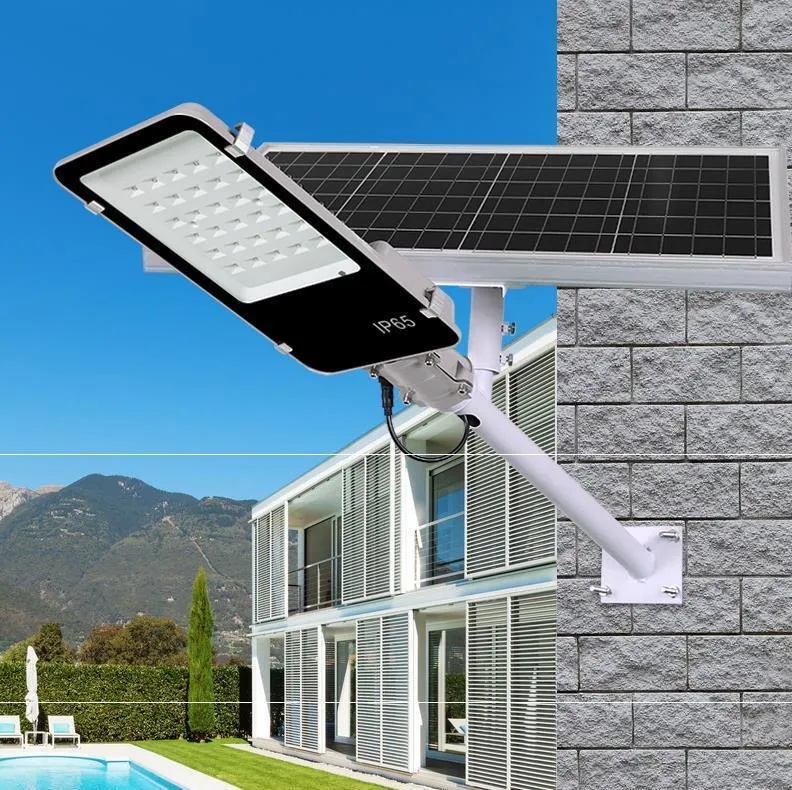
- Ingress Protection Rating (IP): IP65 (dust-tight and protected against water jets) is the basic requirement for outdoor fixtures, typically requiring IP65 or higher. IP67/IP68 allows for temporary or continuous immersion.
- Autonomy (Continuous Cloudy/Rainy Days): Refers to the number of nights the light can operate solely on stored battery power without any solar charging.
5. System Design and Selection Considerations
Designing a solar lighting system follows the principle of “determining generation based on load, and storage based on generation“:
- Load Calculation: Determine the lamp’s power and nightly operating hours to calculate the total nightly energy consumption (Wh).
- Solar Panel Sizing: Based on the local average peak sun hours (e.g., 3.5-4.5 hours in most parts of China), calculate the required solar panel wattage to replenish the previous night’s consumption and account for self-discharge losses within one day.
- Battery Sizing: Considering the battery’s Depth of Discharge (DoD) (typically 80%-90% for lithium, 50% for lead-acid) and the required number of autonomy days, calculate the total necessary battery capacity.
- System Voltage Matching: Low-power systems commonly use 3.2V or 12V. High-power systems may require higher voltages to reduce line losses.
6. Common Types and Application Scenarios
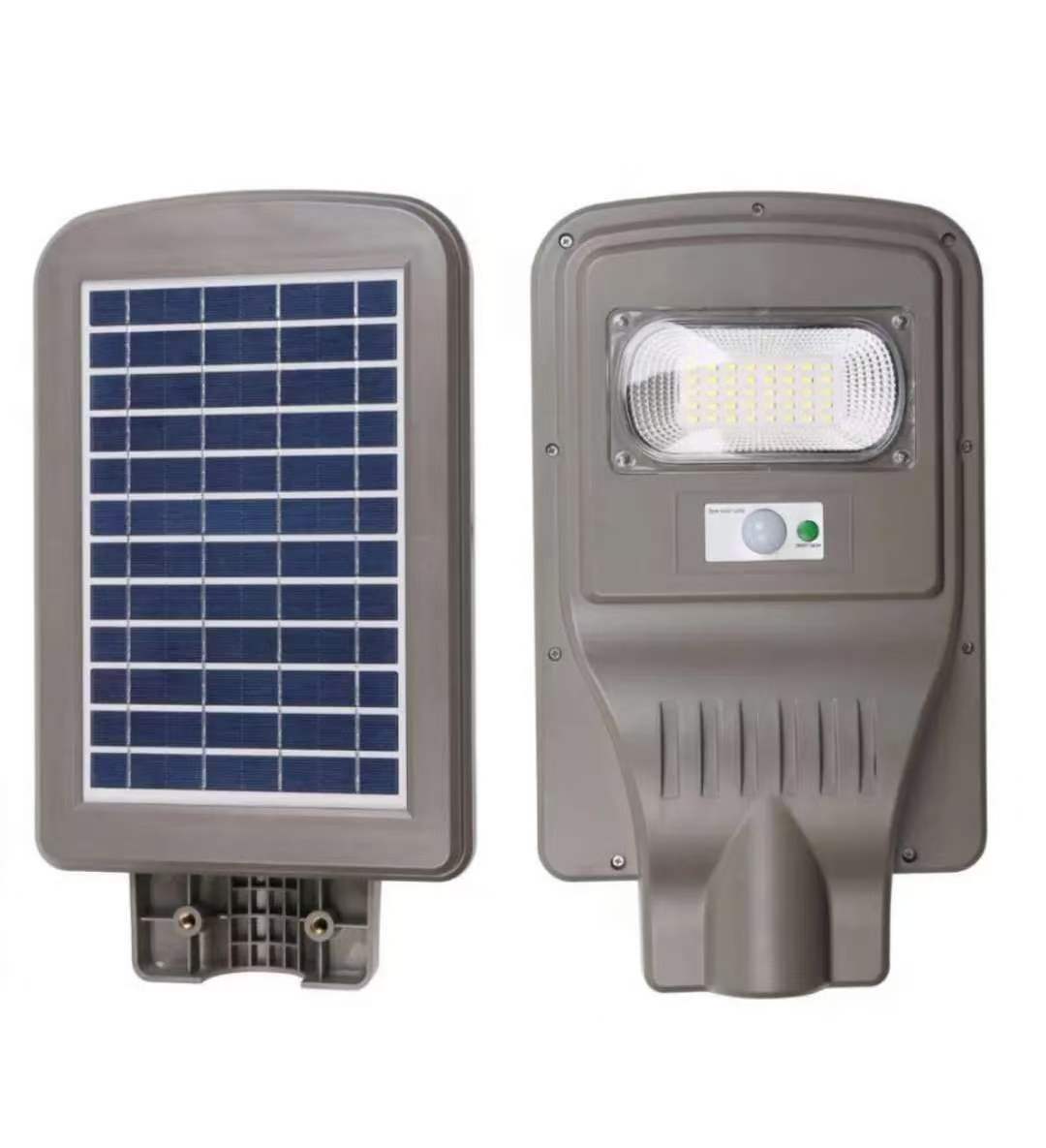
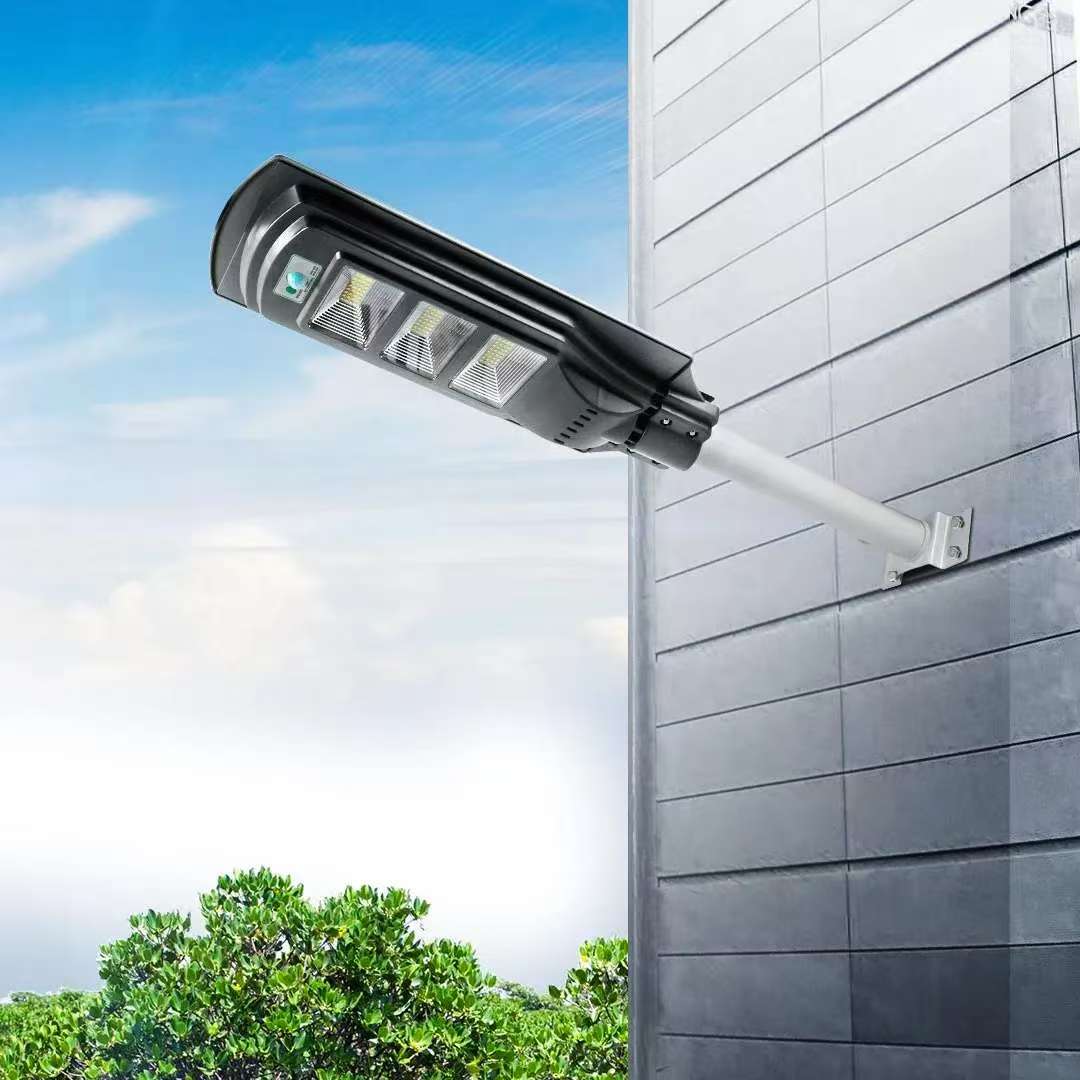
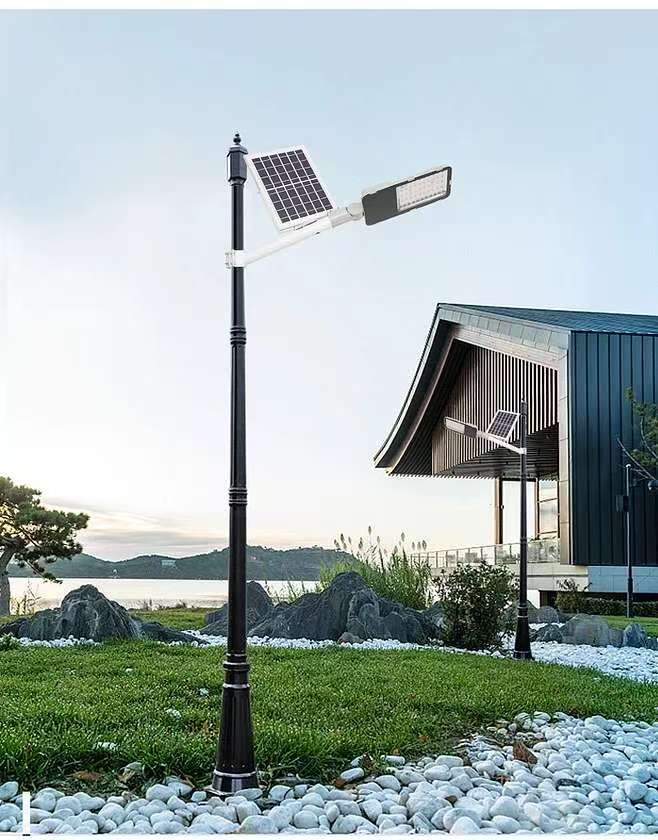
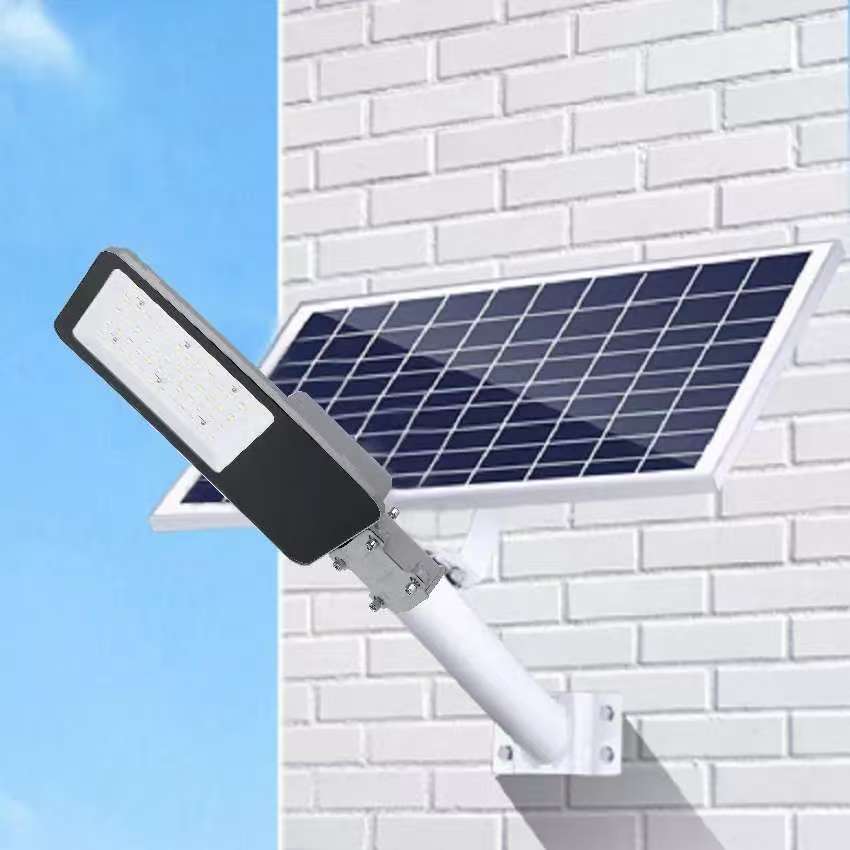
- All-in-One Solar Street Light: Highly integrates the solar panel, battery, light source, and controller into a single unit. Extremely simple to install, suitable for rural roads and courtyards.
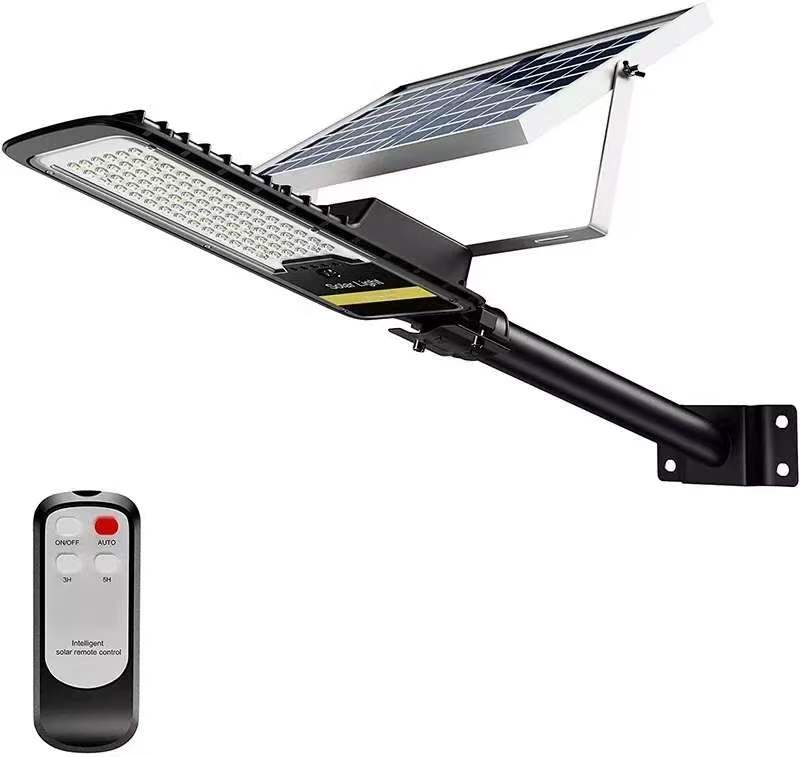
- Split Solar Street Light: The solar panel is separate from the lamp head, and the battery is usually buried underground or mounted on the pole. Offers better heat dissipation and can handle higher power, suitable for main roads and squares.
- Solar Garden Light/Lawn Light: Lower power, focuses on decorative and ambiance lighting, typically uses low voltage for safety and aesthetics.
- Portable Solar Light: Features hooks or handles, commonly used for camping, hiking, or indoor lighting in remote areas without electricity.
7. Development Trends and Challenges
Trends:
- Intelligence: Integration of microwave radar sensors (light brightens with motion, dims otherwise, further saving energy) and the Internet of Things (IoT) for remote monitoring and dimming control.
- High Efficiency: Adoption of advanced photovoltaic technologies (like TopCon, HJT cells) for consumer products, and continuous improvement in LED luminous efficacy.
- Long Lifespan: The普及 of LiFePO4 and emerging sodium-ion batteries allows overall system lifespans to approach 10 years.
Challenges:
- Initial Investment: The upfront installation cost remains higher compared to traditional grid-connected lighting.
- Environmental Dependence: Performance is significantly affected by geographical location, seasons, weather (like haze), requiring scientific calculation and redundancy.
- End-of-Life Battery Recycling: The recycling system for large volumes of retired lithium batteries still needs improvement.
Conclusion
A solar lamp is more than just a light fixture; it is a small-scale microgrid system integrating energy harvesting, storage, and management. With the advancement of “carbon peak and carbon neutrality” goals and technological maturation, it is becoming an indispensable part of the lighting field, delivering illumination to every corner that needs it.