The Ultimate Guide to Concrete (Cement) Pipes: Types, Standards, Applications & Selection
This article provides a s
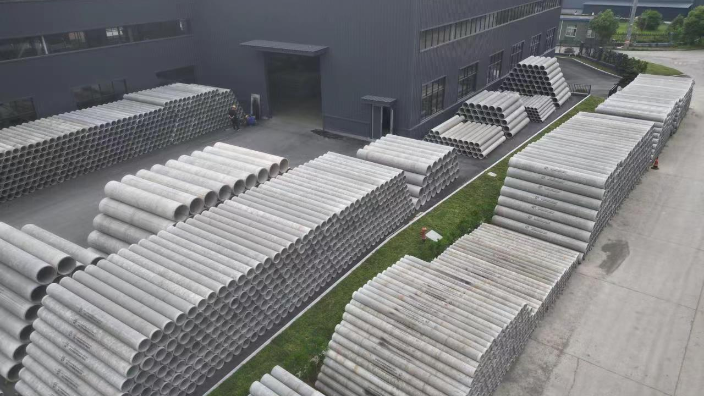
Our Fiber Cement Pipe Channel offers diverse types, including steel-fiber, synthetic-fiber and PVA-fiber concrete pipes. Contact us now!
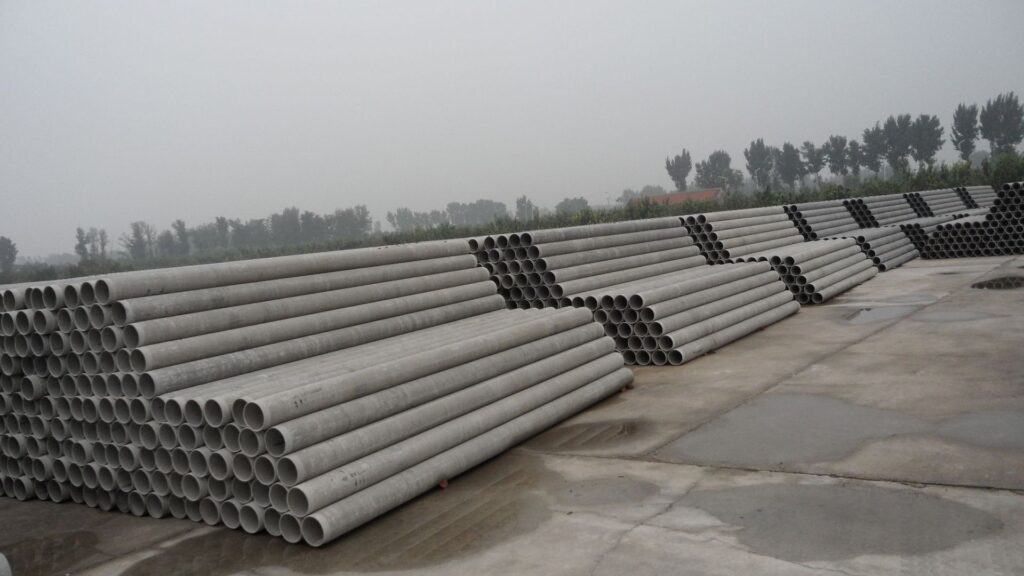
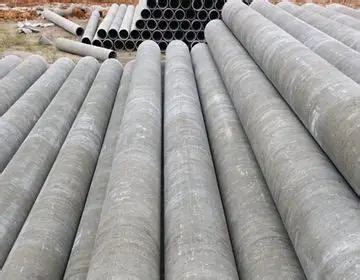
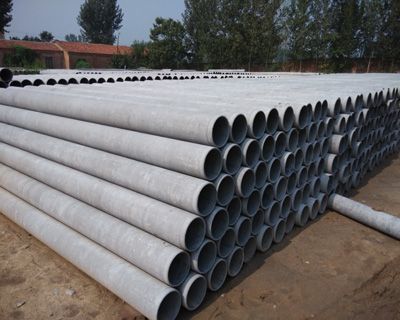
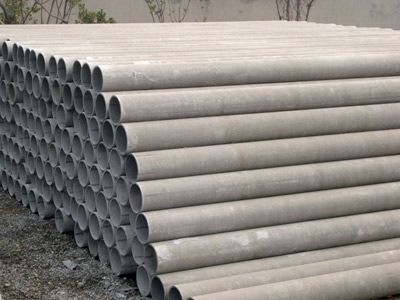
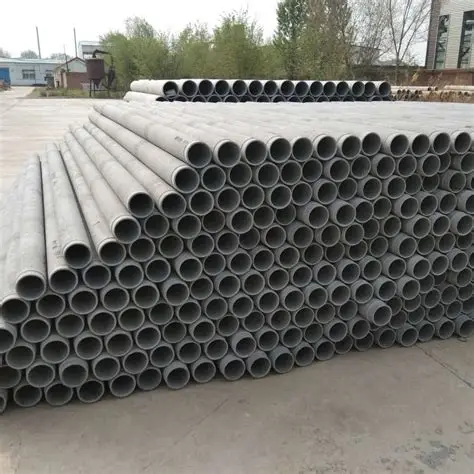
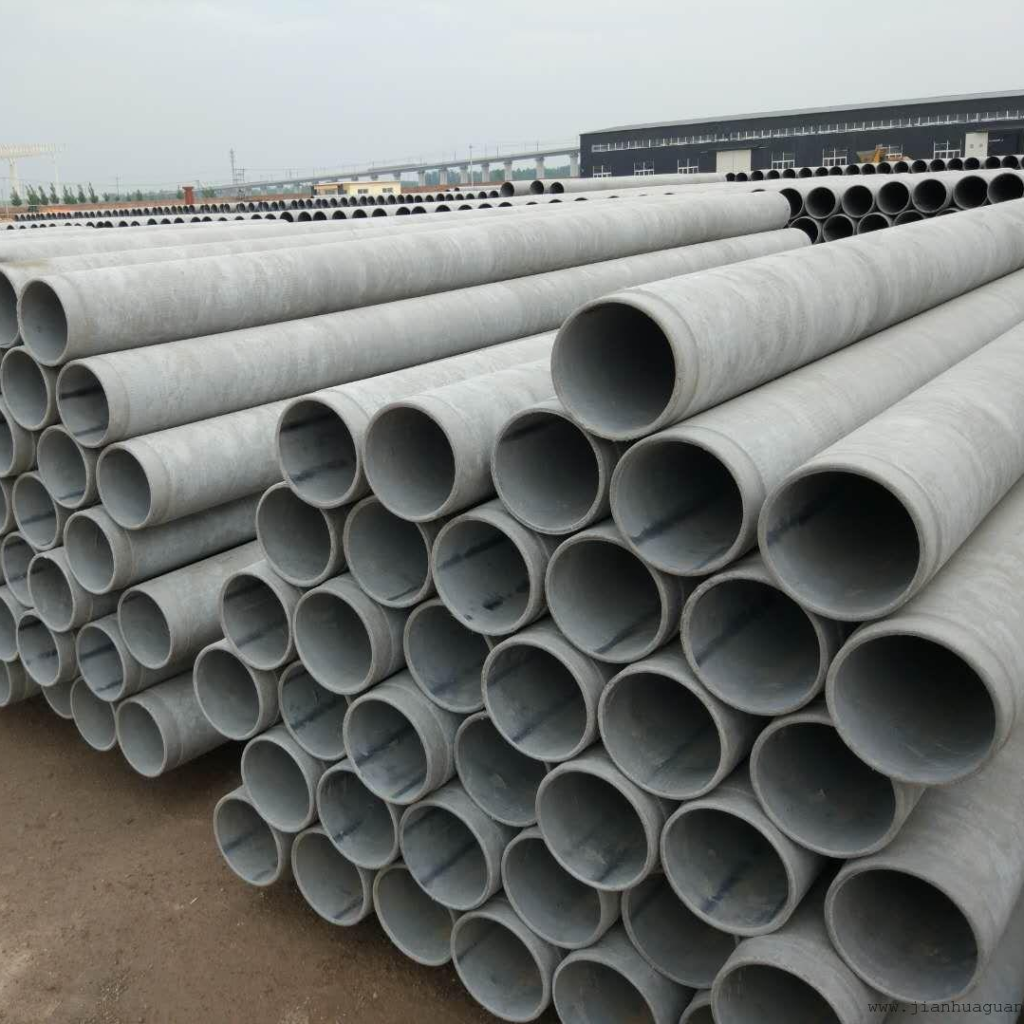
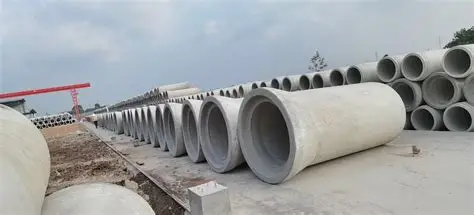
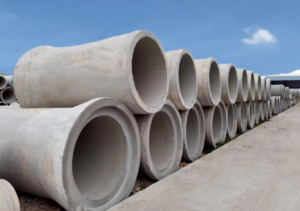
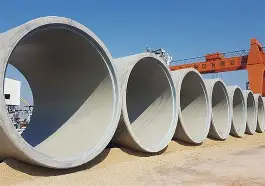
Fiber cement pipes combine high strength with corrosion resistance. Made primarily from cement and fiber, they do not rely on steel and have a service life exceeding 50 years. They are resistant to acids, alkalis, and leakage, making them especially suitable for corrosive environments like coastal and chemical industrial zones, with low maintenance costs and high overall cost-effectiveness.
They are widely used in municipal drainage, power cable protection, industrial wastewater discharge, and agricultural irrigation. Their corrosion resistance makes them ideal for conveying acidic or alkaline media, or for installation in harsh soil conditions such as saline-alkali land or marsh areas. They are also commonly used in culvert projects for highways and railways.
Innovative processes and precision equipment ensure superior performance and long-term durability.
Strict adherence to international standards and comprehensive testing guarantee reliable and consistent quality for every pipe.
Selected high-grade cement and high-strength, non-asbestos fibers ensure product robustness and safety from the source.
Optimized production and economies of scale enable us to provide high cost-effective solutions.
Long Service Life: Made of inorganic materials with excellent aging resistance; design life exceeds 50 years with low maintenance costs.
High Strength: Excellent compressive and flexural strength, strong load-bearing capacity, suitable for demanding construction methods like pipe jacking.
Corrosion Resistant: Offers excellent resistance to acids, alkalis, salts, and electrochemical corrosion, making it ideal for harsh soil and industrial environments.
Wide Applicability: Suitable for various applications including drainage, cable protection, and industrial water conveyance, available in a complete range of specifications.
Eco-friendly & Safe: Primarily composed of inorganic substances, non-polluting, non-combustible, and safe for use.
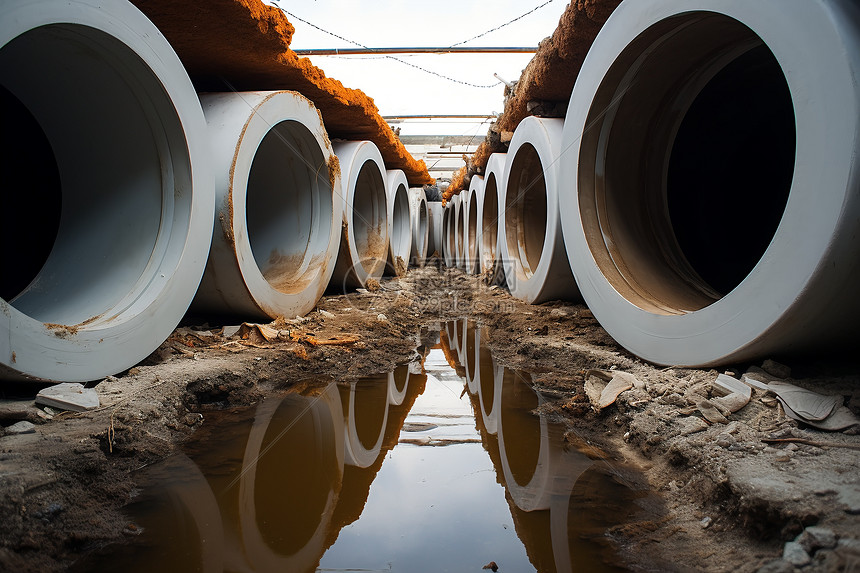
Used for urban stormwater and sewage networks, offering corrosion resistance and long service life. It is a reliable alternative to traditional cast iron and concrete pipes.
Serves as underground conduit for cables, providing high strength, non-conductivity, and flame-retardant properties to effectively protect cables and ensure line safety.
Suitable for transporting corrosive fluids such as factory wastewater and chemical media, with strong resistance to acids, alkalis, and excellent stability.
Used in water channels and irrigation pipelines, offering cost-effectiveness and good durability, especially suitable for special soil environments like saline-alkali land.
The foundation must be level and compacted to prevent uneven settlement. Bell-and-spigot joints require rubber gaskets for sealing to ensure tight connections. Backfilling should be done in layers with compaction, avoiding direct impact from large rocks. In highly corrosive areas, applying a waterproof layer or using higher-grade pipes is recommended.
The initial purchase price is typically higher than plastic pipes but lower than anti-corrosion steel pipes. Due to their long service life and minimal maintenance, the whole-life-cycle cost is relatively low. Under normal conditions, the lifespan can reach 50–70 years, depending on media corrosiveness, soil environment, and installation quality. It is advisable to choose products from reputable manufacturers and request test reports.

This article provides a s

Looking ahead, the concre
From a decision-makerR

CTP is a cost-effective p

Fiber-reinforced concrete