The Ultimate Guide to Concrete (Cement) Pipes: Types, Standards, Applications & Selection
This article provides a s
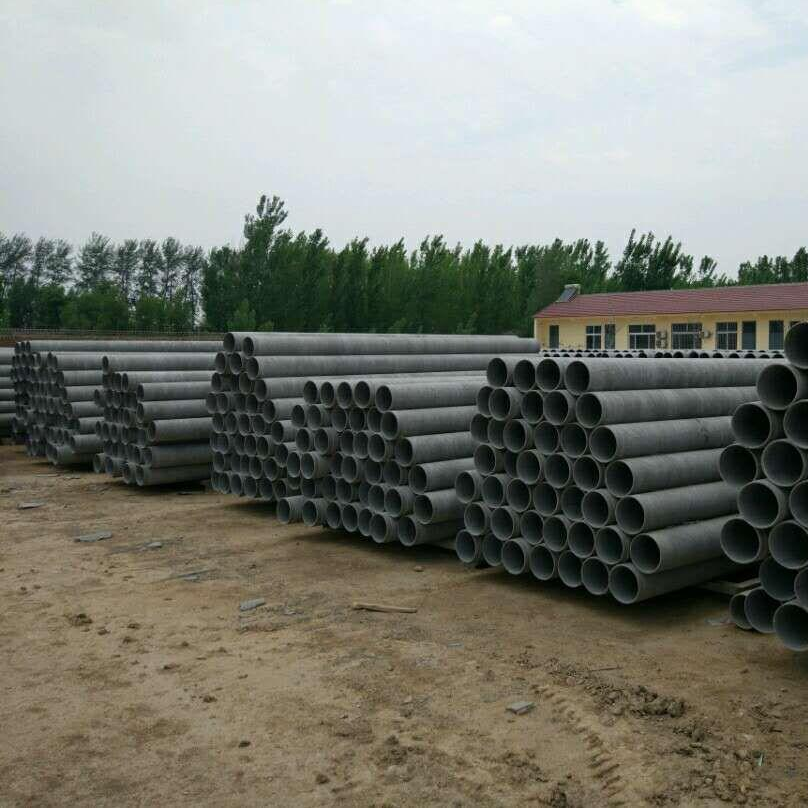
Our Concrete Pipe Channel provides various concrete pipes, including reinforced concrete ones. Feel free to contact us now!
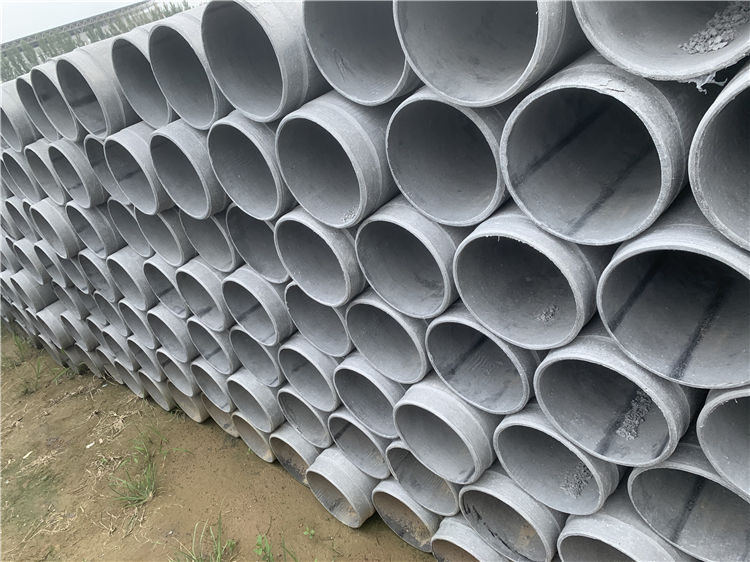
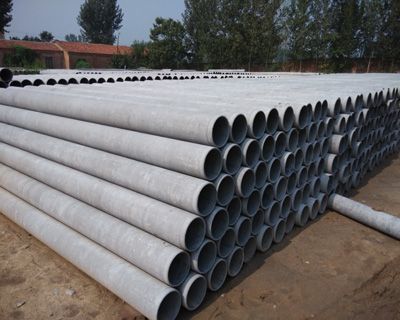
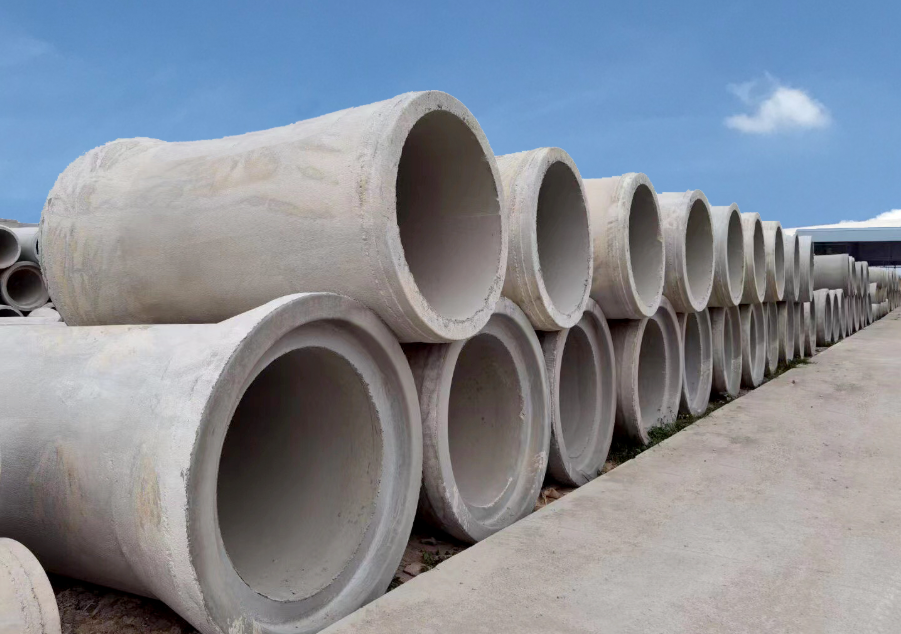
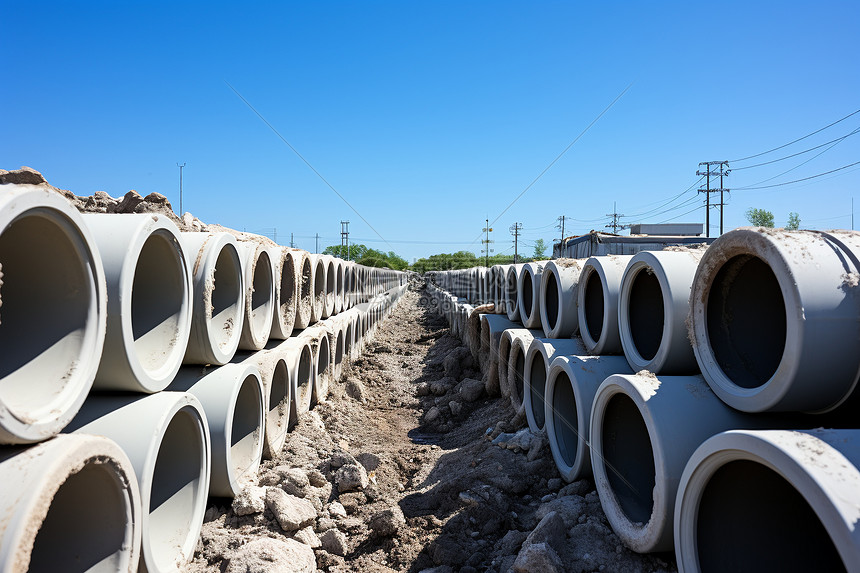
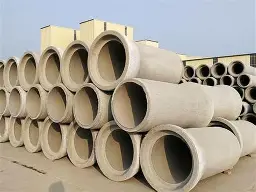
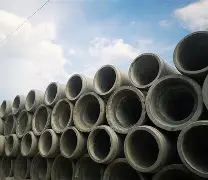
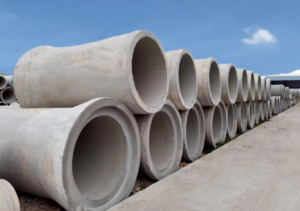
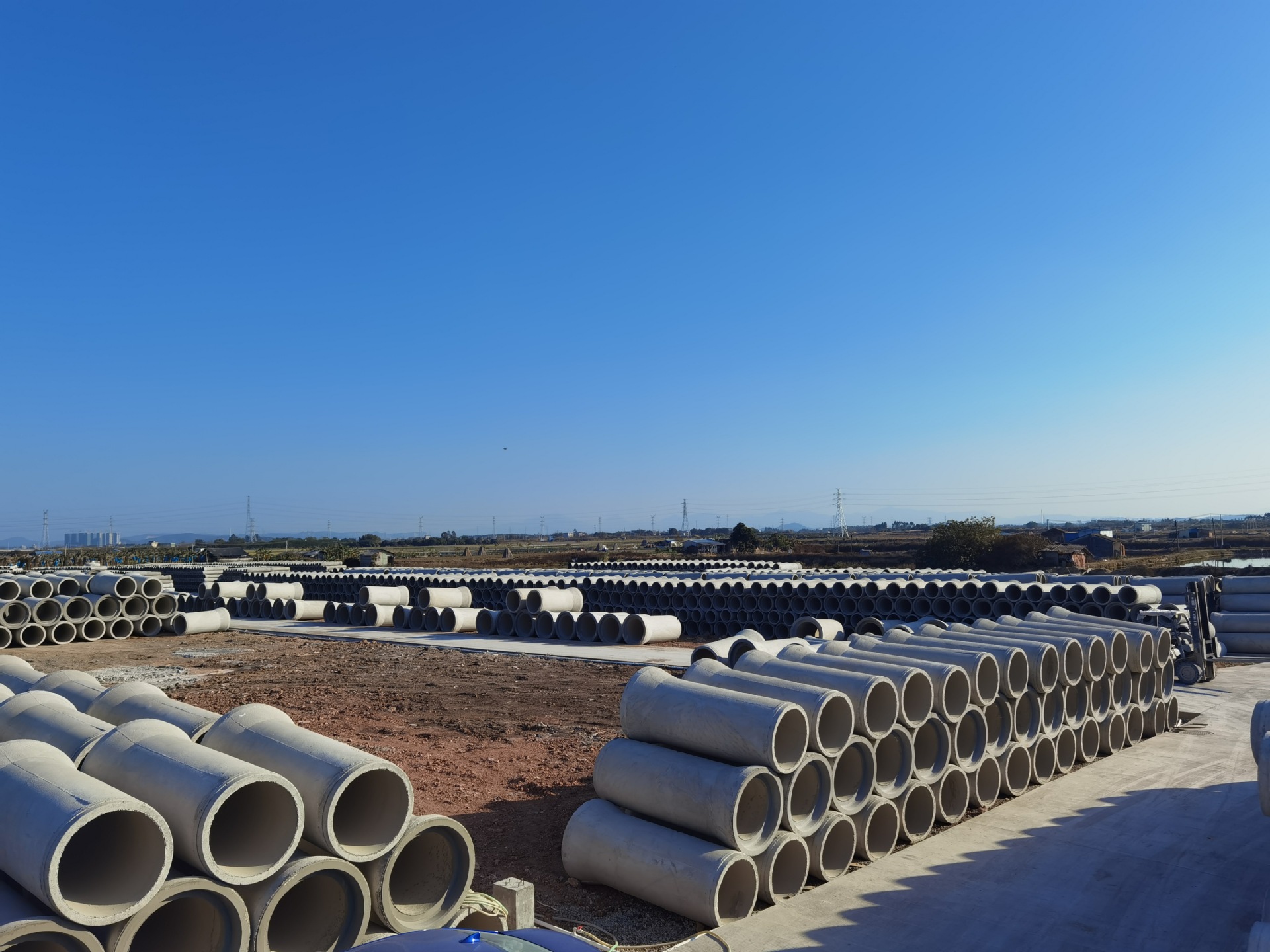
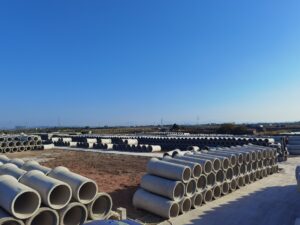
Concrete Cement Pipe (commonly and more accurately called Reinforced Concrete Pipe/RCP) is a rigid, durable piping product manufactured from a mixture of Portland cement, aggregates (stone and sand), water, and steel reinforcement. It is a primary material used in gravity-flow and pressure applications for modern infrastructure.
Diameter & Wall Thickness – Prices increase substantially with larger diameters and higher strength classes.
Strength Class – Load-bearing capacity (e.g., ASTM C76 Class II to V) affects material and reinforcement costs.
Regional Market – Local material availability, labor costs, and transportation distances impact pricing.
Project Scale – Bulk orders often reduce unit costs.
Special Features – Custom joints, linings, or coatings add cost.
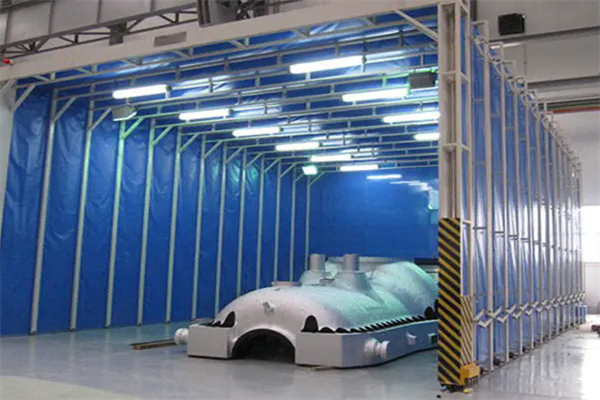
Automated production and precision engineering ensure superior density, strength, and durability.
ISO-certified processes and independent testing guarantee performance exceeds national standards.
We use certified, high-grade raw materials to ensure structural integrity and long-term safety.
Efficient production and supply chain management enable reliable quality at market-leading value.
Safe and Non-Toxic: Contains no asbestos or other hazardous materials, making it environmentally safe.
High Strength and Durability: Reinforced with steel for excellent load-bearing and pressure resistance, with a service life of 50-100 years.
Cost-Effective and Practical: Materials are cost-controllable, requires minimal maintenance, and offers low lifecycle costs.
Wide Applicability: Corrosion-resistant, fire-resistant, and suitable for various engineering applications such as drainage, sewer systems, and culverts.
Used in urban gravity flow collection and conveyance networks for stormwater and sewage.
Applied as water conveyance culverts in rivers, irrigation channels, and agricultural water facilities.
Serves as water-passing culverts and protective utility tunnels beneath highways and railways.
Suitable for underground drainage systems and utility tunnels in heavy-load areas such as airports and ports.
Under standard conditions and proper installation, reinforced concrete pipes have a designed service life of over 50 years. Their durability relies on high-density concrete, adequate reinforcement cover, and anti-corrosion design (e.g., sulfate-resistant cement), ensuring long-term resistance to soil and fluid corrosion.
We use sulfate-resistant cement, increase pipe density, and optionally apply epoxy linings or special coatings. These measures effectively block corrosive agents, protect reinforcement, and ensure stable long-term performance in high-corrosion environments such as wastewater and coastal areas.
Concrete pipes offer higher ring stiffness and load-bearing capacity, especially for deep burial, heavy-traffic roads, and large-diameter (DN≥1200) main pipelines. They do not degrade over time, are fire-resistant, and have lower whole-lifecycle costs, making them ideal for major permanent projects.
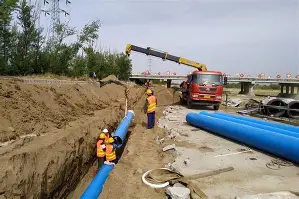
The foundation must be compacted to ensure even support; rubber gaskets in bell-and-spigot joints should be correctly installed and lubricated; backfilling must be done in layers with symmetric compaction, avoiding direct impact on the pipe. Strict adherence to construction standards is key to ensuring long-term, leak-free, and deformation-resistant performance.
Although the unit price may be higher than some plastic pipes, their extended service life, minimal maintenance, and high reliability significantly reduce whole-lifecycle costs. For critical infrastructure, concrete pipes offer a higher return on investment in terms of durability and safety.

This article provides a s

Looking ahead, the concre
From a decision-makerR

CTP is a cost-effective p

Fiber-reinforced concrete