Cement Culvert Pipe: Selection, Installation, and Key Considerations
If you are searching for a robust and durable drainage solution for your private driveway, farm road, or yard drainage project, cement concrete culvert pipe is undoubtedly a top contender on your list.
This article is your ultimate guide. It will systematically address all your questions about cement concrete culvert pipes—from what they are, how to choose, how much they cost, where to buy them, to the crucial pre-installation preparations and core construction steps, finally helping you objectively compare alternatives to ensure an informed decision.
Part 1:What is a Cement/Concrete Culvert Pipe?
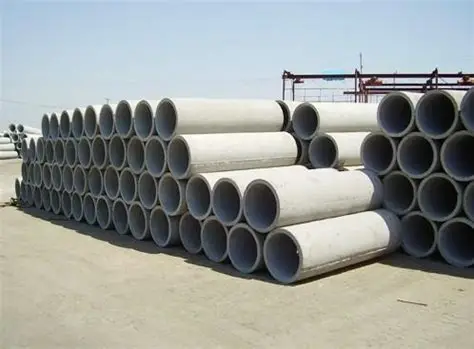
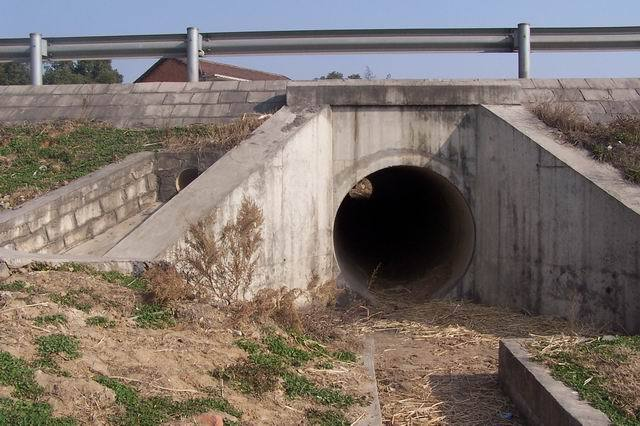
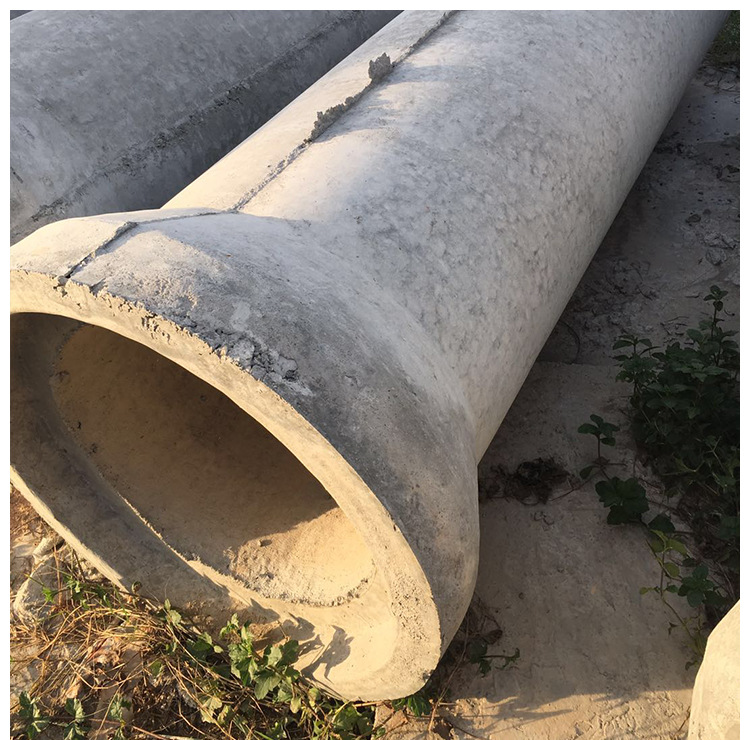
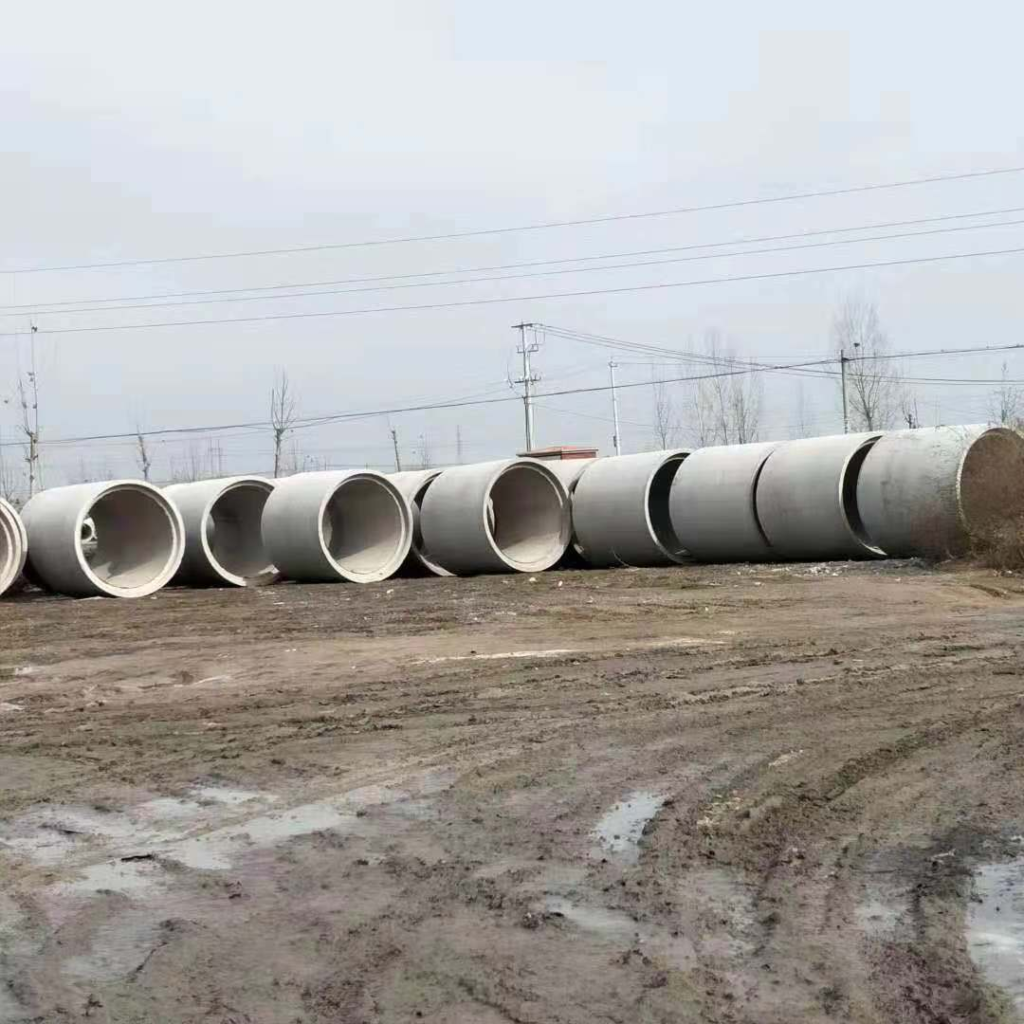
A cement concrete culvert pipe, commonly referred to as a concrete culvert, is a pre-cast hollow pipe structure primarily used to channel water flow through obstacles beneath roads, embankments, or driveways. Its core function is drainage and passage, preventing water accumulation from eroding foundations and ensuring road structure integrity and traffic safety.
Primary Applications Include:
- Private Driveways and Rural Roads: This is the most common application. Installing a culvert pipe under a driveway ensures rainwater passes through smoothly, avoiding road washouts.
- Yard and Landscape Drainage: Directing surface runoff in courtyards to solve积水 (standing water) problems.
- Agricultural Irrigation and Drainage: Used for irrigation channels or drainage ditches in farmland.
- Small Bridges and Crossings: Serving as an economical structure for crossing streams or ditches.
Core Advantages Lie in Exceptional Durability:
- High Strength: Can withstand heavy vehicle loads and deep soil cover.
- Corrosion and Weather Resistance: Unaffected by acidic/alkaline soils or harsh weather, with a service life potentially exceeding 50 years.
- Low Maintenance: Requires virtually no upkeep once correctly installed.
- Fire and Pest Proof: Material properties ensure excellent fire resistance and protection against insect infestation.
Part 2: How to Choose, Get Quotes, and Find Local Suppliers
1. Key Specifications and Type Selection
Clarifying your needs is crucial before contacting suppliers.
- Shape Selection: Round vs. Elliptical
- Round Pipe: Most common, offers optimal hydraulic performance, suitable for most drainage scenarios.
- Elliptical Pipe: Used where vertical space is limited but greater drainage capacity is needed (e.g., areas with shallow cover).
- Size (Diameter) Selection
Size is typically measured in inches (e.g., 12-inch, 18-inch, 24-inch) or millimeters. The choice depends on the maximum expected water flow rate. A simple rule of thumb: for private driveways, a minimum diameter of 12 inches (approx. 30 cm) is often recommended; larger catchment areas require larger sizes. - Type and Strength Class
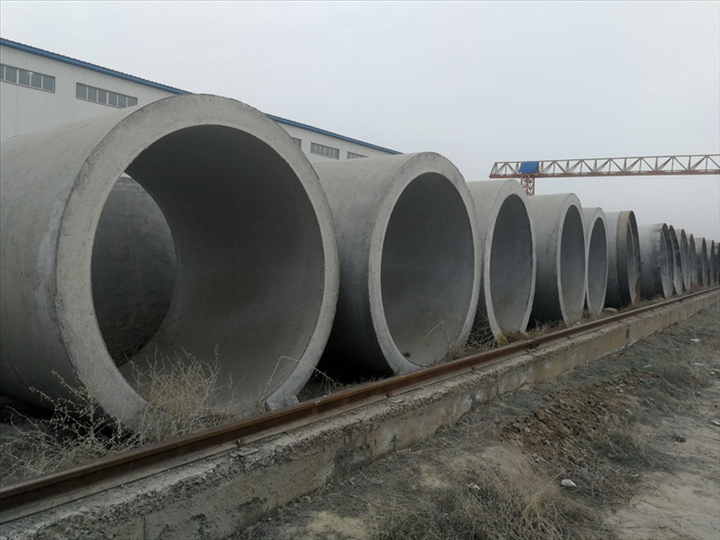
- Precast Concrete Pipe: The standard choice.
- Reinforced Concrete Pipe: Used when extreme loads are anticipated (e.g., under heavy truck traffic, deep burial), featuring steel reinforcement within the pipe wall.
- Strength Class (e.g., Class III, IV, V): Higher class numbers indicate thicker walls and greater load-bearing capacity. Suppliers can recommend the appropriate class based on your burial depth and surface load.
- Understanding Industry Standards
Professional projects or inquiries often reference specifications. The most common ASTM (American Society for Testing and Materials) standard is ASTM C76, which specifies requirements for reinforced concrete culvert, storm drain, and sewer pipe. Mentioning this standard allows for more professional communication with suppliers.
2. Analysis of Factors Affecting Concrete Culvert Pipe Pricing
The “price of concrete culvert pipe” varies significantly, mainly influenced by:
- Pipe Diameter and Length: Larger diameter equals higher unit cost.
- Strength Class (Class): Class V is significantly more expensive than Class III.
- Reinforcement: Reinforced concrete pipe is more costly than non-reinforced pipe.
- Purchase Quantity: Bulk purchases often come with unit price discounts.
- Shipping Distance: Freight costs from the precast plant to the job site are a major component of the total cost.
Price Range Reference :
- 12-inch diameter concrete pipe: Approximately $15 – $30 per linear foot.
- 24-inch diameter reinforced concrete pipe: Approximately $60 – $120 per linear foot.
3. How to Find and Contact Local Suppliers
For the strong intent behind “cement culvert pipe for sale near me,” efficient action is key:
- Use Localized Search: Search Google Maps for terms like “concrete culvert pipe near me,” “precast concrete pipe supplier,” or specific manufacturer names like “Jensen Precast” .
- Contact Building Material Distributors or Construction Supply Stores: They are often distribution channels.
- Professional Inquiry Checklist: When contacting suppliers, have this information ready:
- Project use (e.g., private driveway).
- Required pipe inner diameter and length.
- Expected burial depth and surface load (for their strength class recommendation).
- Required quantity.
- Ask for the all-inclusive price, specifying if delivery and offloading are included.
Part 3: Key Preparations and Precautions Before Installation
Warning: A successful installation begins with thorough preparation. Ignoring this step can lead to project failure, additional costs, or even safety hazards.
- Legal Regulations and Public Safety (Primary and Mandatory!)
- Call 811 (North America): At least a few business days before digging, you must call 811 or submit a request via your state’s 811 website. This free service will have all utility companies (gas, electric, water, telecom) mark the location of their underground lines. This is a legal requirement and your first line of defense for personal safety.
- Check Local Permits and Codes: Contact your local building or planning department to see if a permit is required for your project. Also, clarify local engineering codes regarding culvert size, minimum cover depth, and headwall structure.
- Site Assessment and Detailed Planning
- Water Flow and Drainage Analysis: Observe the site to determine main flow paths and catchment areas. Ensure the selected pipe diameter is adequate for historically significant rainfall events.
- Soil Condition Check: Understand the soil type in the excavation area. Soft clay or silty soils require a more robust gravel bedding and more careful backfill compaction.
- Inlet and Outlet Design: Plan both ends of the culvert. The inlet should effectively collect water flow; the outlet needs measures (like riprap or turf reinforcement) to prevent erosion from water scour.
- Logistics and Safety Preparation
- Heavy Equipment and Manpower: Concrete culvert pipes are extremely heavy. You must arrange for an excavator or backhoe for unloading and placement, along with proper lifting slings. Ensure experienced operators are on site.
- Auxiliary Materials On Hand: Have the necessary graded gravel or crushed stone (for bedding and backfill), pipe joint sealing material (like oakum or specific sealant), and materials for building headwalls (e.g., poured concrete or dry-laid stone) ready.
- Choose Construction Timing: Schedule work for the dry season if possible, avoiding excavation during rainy periods or when the ground is frozen, to ensure quality and efficiency.
Part 4: Detailed Core Steps for Culvert Pipe Installation
Once all preparations are complete, proceed with the following professional steps:
Step 1: Precise Layout and Excavation
- Use stakes and string to accurately mark the trench centerline and boundaries.
- Excavate the trench at least 30 cm (12 inches) wider than the pipe’s outside diameter to facilitate work and backfill compaction.
- Excavate the trench bottom to a level below the designed grade line, reserving thickness for the bedding material.
Step 2: Install and Compact the Bedding
- Place a 15-20 cm (6-8 inch) layer of graded gravel or crushed stone at the trench bottom.
- Compact carefully using a plate compactor or hand tamper to create a level, uniform bedding that follows the design slope. This is key to preventing uneven pipe settlement.
Step 3: Pipe Placement, Joining, and Sealing
- Carefully lift and place the pipe using equipment, setting it smoothly on the bedding.
- Ensure the pipe is oriented according to the design flow direction and maintains a continuous slope (typically a minimum of 0.5%-1%).
- When joining multiple sections, ensure bell-and-spigot joints fit snugly, and use sealing material as per manufacturer instructions to prevent water seepage at joints, which can erode the foundation.
Step 4: Layered Backfilling and Compaction (The Most Critical Step)
- Never use native excavated soil (especially clay clods) for direct backfill!
- Use approved coarse-grained material (like gravel or crushed stone) for backfilling symmetrically and in layers on both sides of the pipe.
- Compact each layer thoroughly using small compaction equipment, with each layer not exceeding 15-20 cm (6-8 inches) in thickness. Compaction in the pipe haunch zones (from the pipe bottom to about its center) is crucial.
- Only after backfilling to at least 30 cm (12 inches) above the pipe crown should native soil be used for further backfill, still compacted in layers.
Step 5: Construct Headwalls and Final Finishing
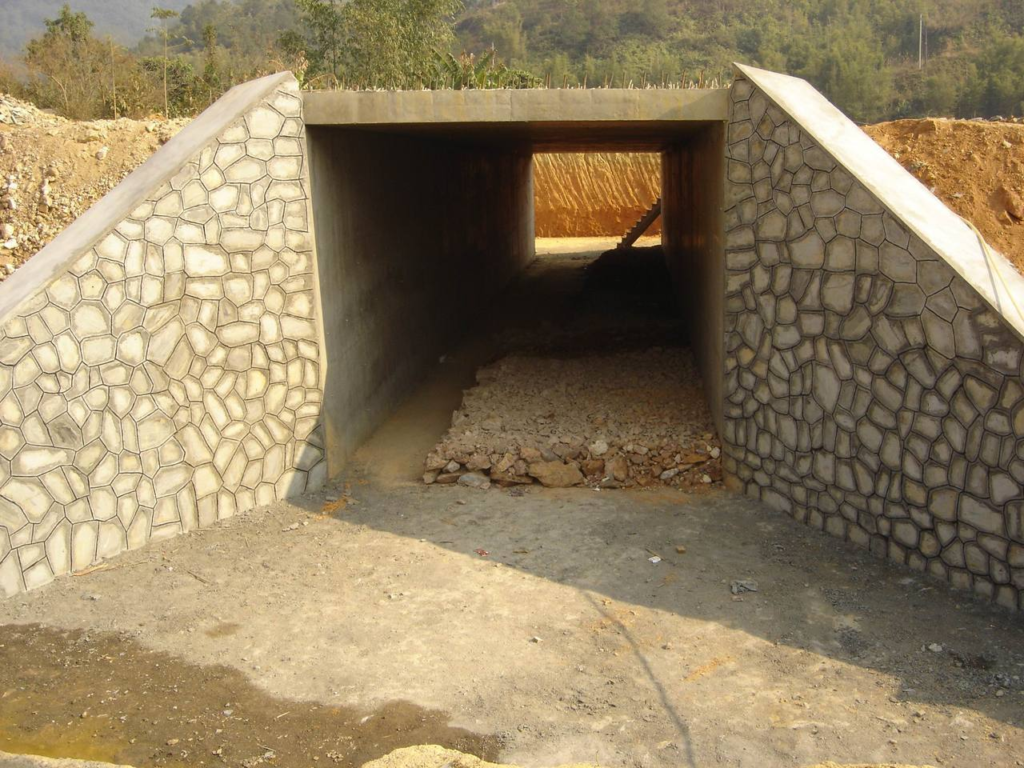
- Build headwalls (typically of concrete or masonry) at the culvert inlet and outlet to prevent backfill soil from washing away and to protect the pipe ends.
- Finish and reinforce the ground at the inlet and outlet, such as by laying turf or riprap, to prevent scour.
Key Recommendation: For drainage projects more critical than a standard driveway application, it is strongly advised to hire an experienced civil engineer for design guidance or a professional contractor for installation.
Part 5: Comparison and Alternative Analysis: Concrete Culvert vs. Corrugated Metal Pipe
During your search, you likely encountered the alternative “corrugated metal pipe.” Here is an objective comparison:
| Feature | Cement/Concrete Culvert Pipe | Corrugated Metal Pipe (CMP) |
|---|---|---|
| Durability | Excellent. Corrosion-resistant, service life 50-100 years. | Moderate. Susceptible to electrochemical corrosion and rust, service life 15-30 years, requires maintenance. |
| Strength & Load-Bearing | Very High. Excellent static load capacity, suitable for deep cover. | Good. But prone to deformation under heavy loads, not ideal for very deep cover. |
| Initial Cost | Higher. Material and shipping costs are greater. | Lower. Material is lightweight, installation is quick. |
| Ease of Installation | Requires heavy equipment for handling. | Very lightweight, can be handled and installed manually. |
| Maintenance Needs | Virtually None. | Requires periodic inspection for corrosion and may need protective coatings. |
| Best Application Scenario | Permanent, high-load, zero-maintenance-desired projects (driveways, main roads). | Temporary projects, cost-sensitive applications, secondary drainage with shallow cover. |
Conclusion: If viewing the drainage structure as a long-term investment, concrete culvert pipe, due to its unparalleled durability and low maintenance, often has a lower total lifecycle cost and is the most reliable choice.
Conclusion and Action Roadmap
You now possess comprehensive knowledge from planning to completion. Let’s summarize your action path:
- Define Requirements: Measure the catchment area to determine required pipe diameter and approximate length.
- Get Local Quotes: Search for local suppliers and obtain 2-3 detailed quotes including freight using the checklist provided.
- Safety and Legal Prep: Always call 811 for utility locating and verify local permit requirements.
- Meticulous Preparation: Arrange equipment, manpower, and materials, choosing the optimal construction time.
- Precise Construction: Strictly follow the steps of excavation, bedding, installation, backfilling, and headwalls, paying special attention to using correct materials for layered compaction.
- Consider Alternatives: Evaluate your project’s long-term goals to judge whether the long-term value of concrete pipe outweighs the short-term savings of CMP.
Installing a concrete culvert pipe is a “do it once, do it right” project. Careful upfront planning and correct installation will provide you with decades of reliable, maintenance-free drainage service. Begin your local supplier research now, remember safety first, and best wishes for a successful project!
(Note: The prices and specification codes (e.g., ASTM) provided in this article primarily serve as references for the North American market. Readers in other regions should consult their respective national standards and market conditions.)
References
The following authoritative sources were consulted to ensure the accuracy and professional authority of the information in this guide. They can be used for verification and further research.
1. Industry Standards & Specifications
- ASTM International
- Standard: ASTM C76 – Standard Specification for Reinforced Concrete Culvert, Storm Drain, and Sewer Pipe.
- Reference For: Strength classes, specifications, and quality requirements for reinforced concrete pipe mentioned in the article.
- Link: www.astm.org/c0076
- State Department of Transportation (DOT) Standard Specifications (U.S.)
- Examples: Individual state DOTs (e.g., Caltrans, NYSDOT) publish specific Standard Specifications detailing culvert design, material, and installation requirements.
- Reference For: General principles regarding construction codes, backfill material requirements, and compaction standards.
- Link: Accessible via respective state DOT websites (e.g.,
dot.ca.gov,www.dot.ny.gov).
2. Government & Public Safety Resources
- North American “Call 811” Service
- Organization: Common Ground Alliance (CGA) and state/provincial utility locating services.
- Reference For: The legal and safety mandate to contact “811” before digging to locate underground utilities.
- Link (U.S.): www.call811.com
3. Construction Technical Guides & Manuals
- American Concrete Pipe Association (ACPA)
- Resources: Technical manuals and installation guides, e.g., Concrete Pipe Design Manual, Concrete Pipe Installation Guide.
- Reference For: Best practices for pipe selection, bedding preparation, installation steps, backfilling, and compaction.
- Link: www.concretepipe.org/technical-resources
- USDA Natural Resources Conservation Service (NRCS)
- Resource: Relevant sections of the National Engineering Handbook, particularly concerning agricultural and small culvert design.
- Reference For: General guidelines for culvert sizing (based on hydrology), site assessment, and headwall treatment.
- Link: www.nrcs.usda.gov/resources/guides-and-instructions/national-engineering-handbook
4. Manufacturer Technical Data & Product Information
- Major Precast Concrete Product Manufacturers
- Examples: Jensen Precast, Forterra, Oldcastle Infrastructure.
- Reference For: Common pipe sizes, shapes (round/elliptical), strength classes, and product load data referenced in the article.
- Link: See specific manufacturer websites for product pages (e.g.,
www.jensenprecast.com/products/drainage/culverts).
5. Comparative Material (Corrugated Metal Pipe) Information
- North American Corrugated Steel Pipe Association (NCSPA)
- Resources: Technical publications on the design, installation, and corrosion protection of Corrugated Metal Pipe (CMP).
- Reference For: Characteristics, pros/cons, and typical service life of CMP as described in the comparison section.
- Link: www.ncspa.org